
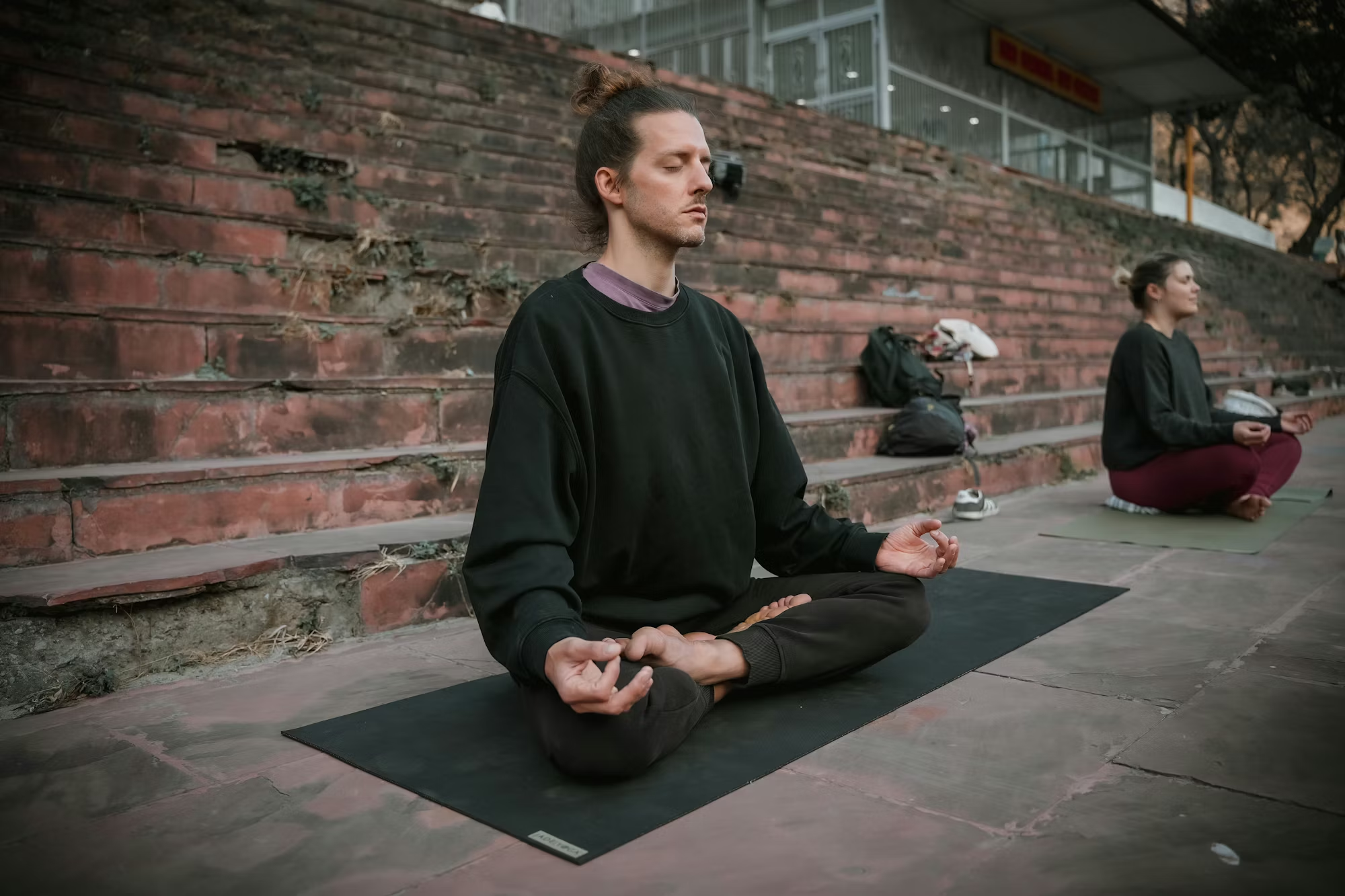



In our fast-paced world, the concept of mindfulness has gained significant attention as a powerful tool for enhancing well-being and mental clarity. Rooted in ancient practices, mindfulness encourages us to focus on the present moment, fostering a deeper awareness of our thoughts, feelings, and surroundings. This article delves into the essence of mindfulness, its numerous benefits, and practical strategies to incorporate mindfulness into our daily routines.
Mindfulness is the practice of being fully present and engaged in the moment, without judgment. It encourages individuals to observe their thoughts and feelings with a sense of curiosity and acceptance. This simple yet profound shift in perspective can lead to significant improvements in mental health, emotional resilience, and overall quality of life.
One of the most remarkable benefits of mindfulness is its ability to reduce stress. By focusing on the present moment, individuals can break the cycle of rumination that often exacerbates anxiety and worry. Mindfulness allows us to step back from our thoughts and view them as passing events rather than absolute truths. This shift in perception can empower individuals to respond to stressors with greater clarity and composure.
Additionally, mindfulness has been shown to enhance emotional regulation. When we practice being present, we cultivate a better understanding of our emotional states. This awareness helps us recognize triggers and respond more effectively, rather than reacting impulsively. As a result, mindfulness can lead to healthier relationships, improved communication, and a greater sense of empathy towards ourselves and others.
Moreover, the practice of mindfulness can improve focus and concentration. In a world filled with distractions, being mindful helps sharpen our ability to concentrate on tasks at hand. Studies have demonstrated that mindfulness practice can lead to increased attention span and improved cognitive flexibility. As we train our minds to remain present, we enhance our ability to engage fully in activities, whether at work or in personal pursuits.
Incorporating mindfulness into daily life does not require extensive time or elaborate rituals. Here are several practical strategies that anyone can adopt to cultivate mindfulness:
1. Mindful Breathing: Take a few moments each day to focus on your breath. Find a comfortable position, close your eyes, and take slow, deep breaths. Pay attention to the sensation of the air entering and leaving your body. If your mind begins to wander, gently bring your focus back to your breath.
2. Mindful Eating: Transform meals into a mindful practice by savoring each bite. Eliminate distractions, such as phones or television, and focus on the flavors, textures, and aromas of your food. This practice not only enhances your enjoyment of meals but also fosters a deeper connection to nourishment.
3. Nature Walks: Spending time in nature can be a powerful way to practice mindfulness. During a walk, pay attention to the sights, sounds, and smells around you. Notice the sensation of your feet on the ground and the rhythm of your breath. Allow yourself to be fully present in the experience of being outdoors.
4. Body Scan Meditation: This technique involves mentally scanning your body from head to toe, noticing any sensations or areas of tension. Begin by focusing on your toes and gradually work your way up. This practice promotes relaxation and enhances body awareness.
5. Gratitude Journaling: Take a few minutes each day to reflect on what you are grateful for. Writing down positive experiences can shift your focus away from negativity and help cultivate a more mindful perspective on life.
6. Mindful Technology Use: In our digital age, being mindful of technology can significantly improve our mental well-being. Set boundaries around screen time and practice being present during face-to-face interactions. Consider setting specific times to check emails or social media, allowing for more mindful engagement in your daily activities.
Mindfulness is not just a practice; it is a way of living. By integrating mindfulness into our routines, we can foster a greater sense of connection to ourselves and the world around us. As we cultivate this awareness, we begin to experience life with renewed appreciation and clarity.
As individuals explore the practice of mindfulness, they may encounter challenges along the way. It’s essential to approach these difficulties with patience and self-compassion. Mindfulness is not about achieving a particular state of mind; it’s about embracing the journey and accepting whatever arises. Through consistent practice, individuals can develop resilience and adaptability, allowing them to navigate life’s ups and downs with grace.
In conclusion, mindfulness is a transformative practice that empowers individuals to live more fully in the present moment. By reducing stress, enhancing emotional regulation, and improving focus, mindfulness can profoundly impact our lives. The journey of incorporating mindfulness into daily routines is personal and unique for each individual. By adopting simple practices like mindful breathing, eating, and spending time in nature, anyone can begin to experience the benefits of mindfulness. As we embrace this journey, we not only improve our own well-being but also cultivate a more compassionate and connected world around us.