
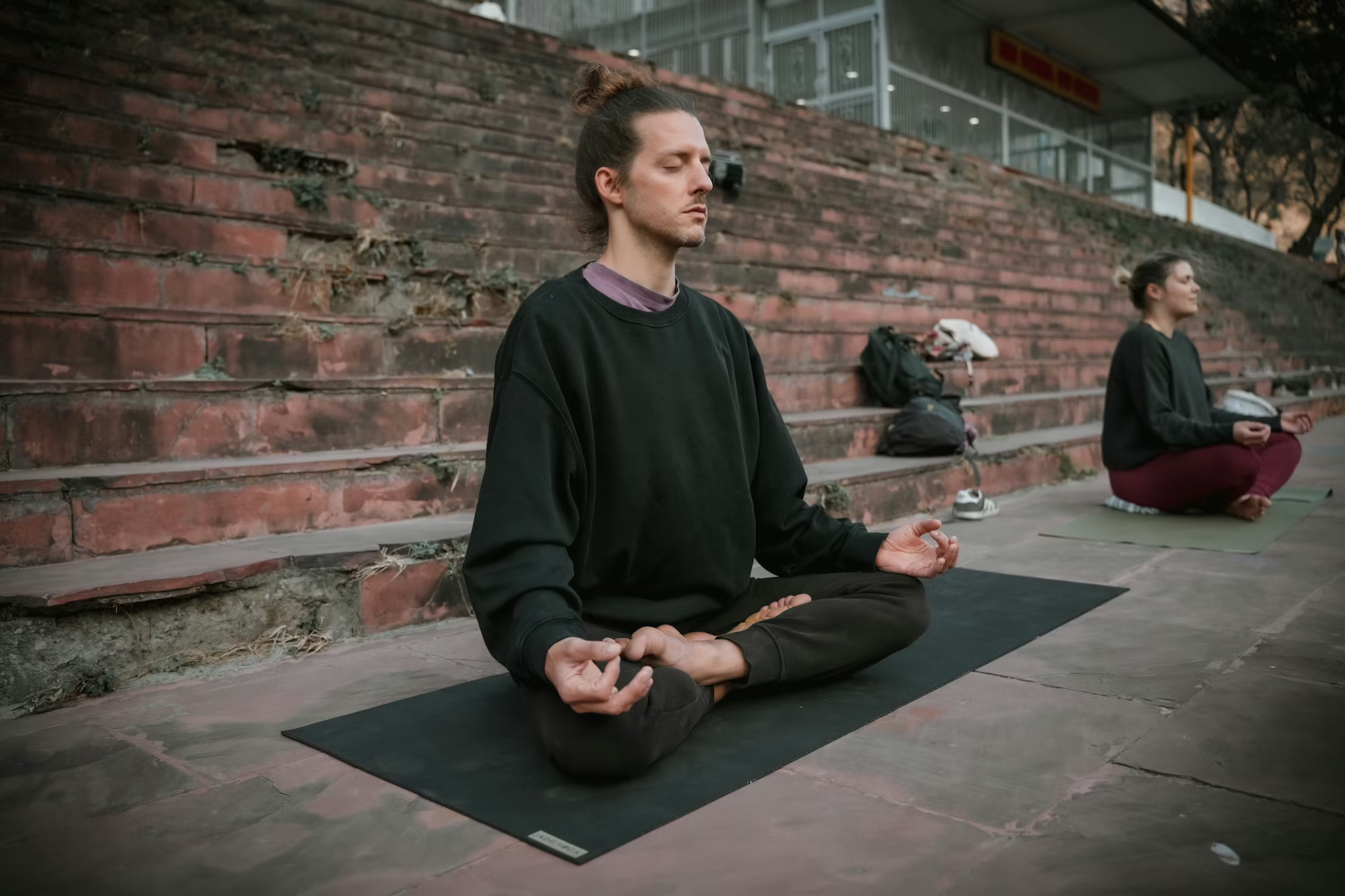



In a fast-paced world filled with constant distractions, the pursuit of wellness has never been more important. Among various fitness trends, mind-body exercises have gained prominence for their holistic approach to health, integrating physical movement with mental focus and relaxation. Practices such as yoga, tai chi, and qigong are not only beneficial for physical fitness but also play a significant role in mental clarity and emotional stability. This article delves into the principles of mind-body exercises, their benefits, and how to incorporate them into your daily routine for total wellness.
Understanding Mind-Body Exercises
Mind-body exercises emphasize the connection between mental and physical states. They focus on cultivating awareness of the body and mind, promoting a sense of harmony and balance. While each practice has its unique philosophy and techniques, they all share the common goal of enhancing overall well-being.
1. Yoga is perhaps the most well-known of the mind-body practices. Originating in ancient India, yoga combines physical postures (asanas), breath control (pranayama), and meditation to promote flexibility, strength, and mental clarity. Various styles of yoga, such as Hatha, Vinyasa, and Yin, cater to different needs and preferences, making it accessible to a wide range of individuals.
2. Tai Chi is a Chinese martial art that focuses on slow, controlled movements and deep breathing. Often referred to as “meditation in motion,” tai chi enhances balance, flexibility, and strength while promoting relaxation and mindfulness. Its gentle nature makes it suitable for people of all ages and fitness levels.
3. Qigong, another ancient Chinese practice, combines gentle movements, breath control, and meditation. Qigong is designed to cultivate and balance the body’s vital energy (qi), promoting health and well-being. Similar to tai chi, it is characterized by slow, flowing movements that can be practiced by anyone, regardless of physical ability.
Benefits of Mind-Body Exercises
Engaging in mind-body exercises offers a myriad of physical and mental health benefits. Here are some of the most significant advantages:
1. Stress Reduction: Mind-body exercises are well-known for their ability to alleviate stress. Through deep breathing and mindfulness, these practices help activate the body’s relaxation response, reducing the production of stress hormones and promoting a sense of calm.
2. Improved Flexibility and Balance: Regular practice of yoga, tai chi, or qigong enhances flexibility and balance. Increased flexibility can lead to better posture and reduced risk of injury, while improved balance is crucial for overall mobility, especially as we age.
3. Enhanced Mental Clarity: Mind-body exercises promote mental focus and clarity. By concentrating on breath and movement, individuals can quiet the mind, leading to improved cognitive function and decision-making.
4. Better Emotional Well-Being: Practicing mindfulness through these exercises fosters emotional awareness and resilience. Participants often report reduced symptoms of anxiety and depression, leading to a more positive outlook on life.
5. Pain Management: Mind-body practices can help alleviate chronic pain by promoting relaxation and improving body awareness. Techniques learned in yoga and tai chi can be beneficial in managing conditions such as arthritis and lower back pain.
6. Community and Connection: Many mind-body classes foster a sense of community and support. Practicing alongside others can enhance motivation and provide a network of encouragement, which is essential for maintaining a consistent fitness routine.
Incorporating Mind-Body Exercises into Your Routine
Integrating mind-body exercises into your lifestyle can be both fulfilling and beneficial. Here are some tips to get started:
1. Set Aside Time for Practice: Dedicate specific times during the week for your chosen mind-body exercises. Whether it’s a morning yoga session or an evening tai chi class, consistency is key to experiencing the full benefits.
2. Choose the Right Style for You: Explore different styles of yoga or tai chi to find what resonates best with you. Some may prefer the vigorous nature of Vinyasa yoga, while others might enjoy the tranquility of Yin yoga or the fluid movements of tai chi.
3. Create a Comfortable Space: Designate a calming space in your home for practice. A quiet area with minimal distractions can enhance your experience, allowing you to fully immerse yourself in the movements and mindfulness.
4. Start with Guided Classes: If you’re new to these practices, consider joining a local class or using online resources. Guided classes can provide structure and ensure you’re practicing with proper form.
5. Focus on Breath: Breath is a crucial element in mind-body exercises. Pay attention to your breathing during practice, allowing it to guide your movements and promote relaxation.
6. Practice Mindfulness: Incorporate mindfulness into your daily life beyond exercise. Take moments throughout the day to pause, breathe, and check in with your body and emotions. This practice can enhance the benefits gained during your dedicated exercise sessions.
Mind-Body Exercises for Different Lifestyles
Mind-body exercises can be tailored to fit various lifestyles, making them accessible for everyone. Here are some suggestions for different scenarios:
1. Busy Professionals: For those with hectic schedules, short sessions of yoga or tai chi can be incorporated into breaks at work. Even a few minutes of deep breathing or stretching can provide a mental reset and boost productivity.
2. Families: Engaging in family yoga or tai chi sessions can create bonding experiences. Many studios offer family classes that promote fun and fitness for all ages.
3. Older Adults: Mind-body exercises are particularly beneficial for older adults, promoting flexibility, balance, and mental clarity. Classes specifically designed for seniors often incorporate modifications to ensure safety and accessibility.
4. Athletes: Incorporating yoga into an athlete’s training routine can enhance performance and aid in recovery. Practices that focus on flexibility, core strength, and breathing techniques can support athletic goals.
Conclusion
Mind-body exercises offer a holistic approach to health and wellness, combining physical activity with mental focus and relaxation. By embracing practices such as yoga, tai chi, and qigong, individuals can experience improved physical health, enhanced mental clarity, and greater emotional well-being. As you explore the benefits of these exercises, remember to listen to your body, stay consistent, and approach each practice with an open mind. In a world that often demands so much from us, taking the time to connect with ourselves through mind-body exercises can lead to a more balanced and fulfilling life.