
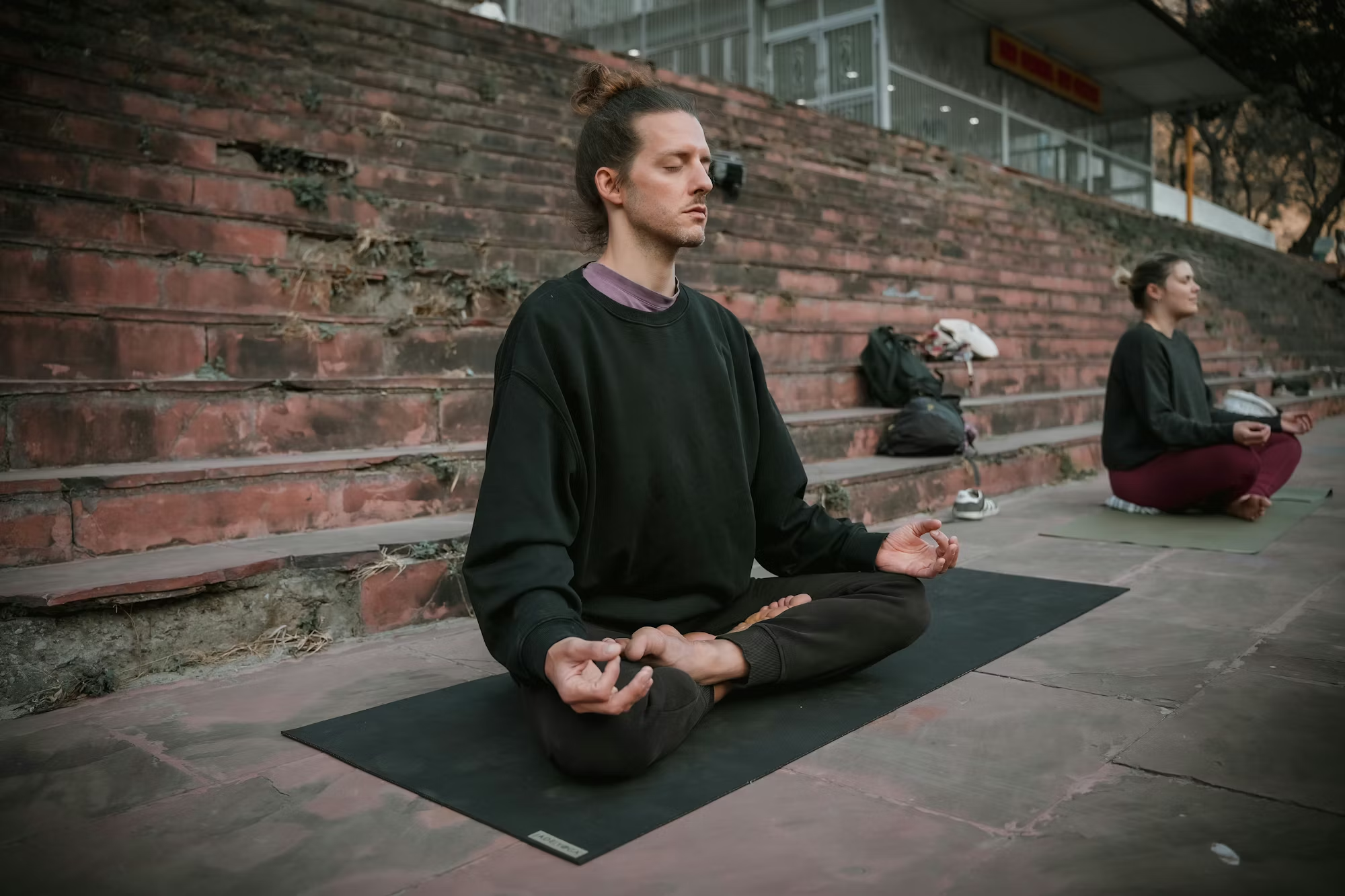


In our increasingly digital world, the allure of nature is often overshadowed by the convenience of technology. However, reconnecting with the great outdoors can offer profound benefits for both our physical and mental health. Engaging in outdoor activities not only promotes fitness but also fosters a sense of well-being, creativity, and connection to the world around us. This article delves into the advantages of outdoor activities and provides practical tips for integrating nature into our daily lives. One of the most significant benefits of spending time outdoors is its positive impact on physical health. Engaging in outdoor activities such as hiking, biking, or running encourages us to move our bodies and stay active. Regular physical activity has been shown to improve cardiovascular health, enhance muscle strength, and boost overall fitness levels. Moreover, exercising outdoors can often be more invigorating than a gym workout, as the fresh air and changing scenery stimulate our senses, making us more likely to enjoy and stick with our fitness routines. Beyond physical fitness, outdoor activities are known to enhance mental well-being. Nature has a unique ability to reduce stress and promote relaxation. Studies have shown that spending time in natural settings can lower cortisol levels, the hormone associated with stress, and improve mood. The sounds of rustling leaves, chirping birds, and flowing water can create a calming atmosphere that helps us unwind from the pressures of daily life. Engaging in mindful activities, such as forest bathing or simply taking a leisurely walk in the park, allows us to immerse ourselves in the present moment, promoting a sense of peace and contentment. Nature also serves as a powerful source of inspiration and creativity. Many artists, writers, and thinkers have found that spending time outdoors sparks their imagination and enhances their problem-solving abilities. The beauty of natural landscapes can evoke emotions and ideas that might remain dormant in a confined space. Whether it’s the vibrant colors of a sunset, the intricate patterns of leaves, or the vastness of a mountain range, nature’s wonders can inspire creativity and lead to innovative thinking. To incorporate outdoor activities into your routine, start by identifying nearby parks, trails, or natural areas. Make a commitment to spend time outside, whether it’s during your lunch break, after work, or on weekends. Setting specific goals, such as hiking a certain number of miles each week or visiting a new park, can help motivate you to explore. Additionally, consider inviting friends or family to join you. Sharing outdoor experiences can deepen connections and create lasting memories. Another practical approach is to integrate outdoor activities into your daily commute. If feasible, consider walking or biking to work instead of driving. This not only promotes physical activity but also allows you to enjoy the fresh air and changing scenery on your journey. Even small changes, such as taking the stairs instead of the elevator or going for a walk during breaks, can make a difference in your overall activity levels. If you have limited access to natural spaces, you can still benefit from outdoor activities by creating your own green sanctuary. Consider transforming your balcony, garden, or yard into a personal oasis. Planting flowers, herbs, or vegetables can provide a sense of accomplishment and connection to nature. Additionally, setting up a cozy seating area outside encourages you to spend time in the fresh air, whether for reading, meditating, or simply enjoying a cup of tea. Engaging in outdoor activities with a focus on mindfulness can amplify their benefits. Try to be present and fully immerse yourself in the experience. Observe the sights, sounds, and smells around you. Notice how your body feels as you move through space. This mindful approach can enhance your appreciation for nature and create a deeper sense of connection to the world around you. Furthermore, consider participating in outdoor group activities, such as community clean-ups, gardening clubs, or hiking groups. These activities not only promote physical health but also foster a sense of community and belonging. Collaborating with others to care for the environment or exploring new trails together can enhance the joy of outdoor experiences. For families, outdoor activities provide an excellent opportunity for bonding and learning. Organizing family hikes, picnics, or nature scavenger hunts can instill a love for nature in children and create cherished memories. Involving kids in gardening or exploring local parks can nurture their curiosity and appreciation for the environment. In addition to all these benefits, outdoor activities can also play a role in fostering environmental stewardship. By spending time in nature, we develop a greater understanding of the ecosystems that sustain us. This connection can inspire us to take action in preserving our natural surroundings. Simple actions, such as recycling, reducing waste, or advocating for conservation efforts, can contribute to a healthier planet. In conclusion, the power of nature offers countless benefits for our physical and mental well-being. By engaging in outdoor activities, we can improve our fitness, reduce stress, enhance creativity, and foster meaningful connections with others. Embracing the outdoors as an integral part of our lives can lead to a more balanced, fulfilling existence. So, step outside, breathe in the fresh air, and let nature inspire and rejuvenate you.
Harnessing the Power of Nature: The Benefits of Outdoor Activities